Now hiring Vehicle Technicians in Oxford – apply today!

Seacourt Park and Ride
Client: Oxford City Council
Budget: £4.5m
Department: Highways and Engineering (Infrastructure Solutions)
Completed: 2021
Summary
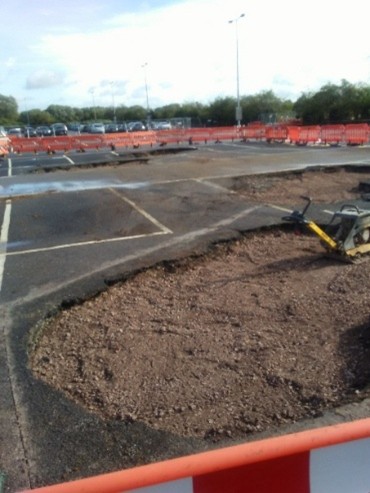
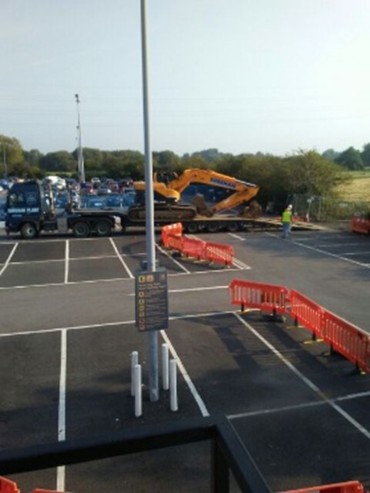
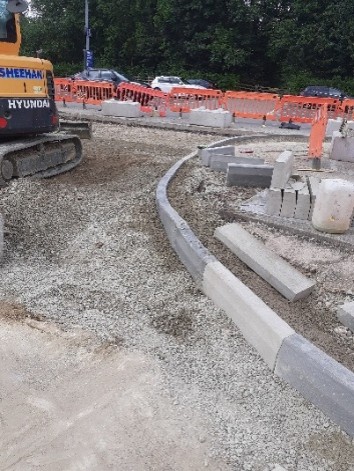
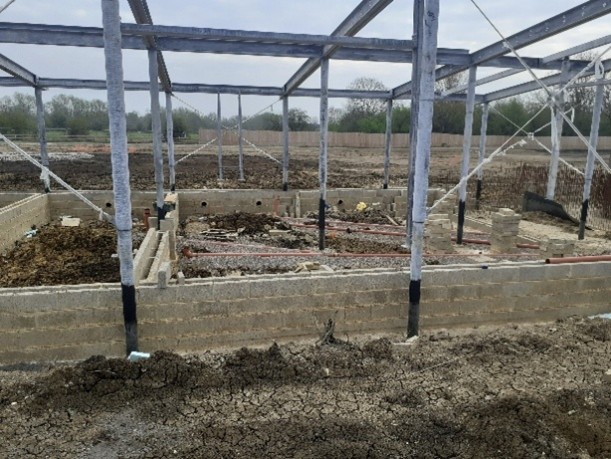
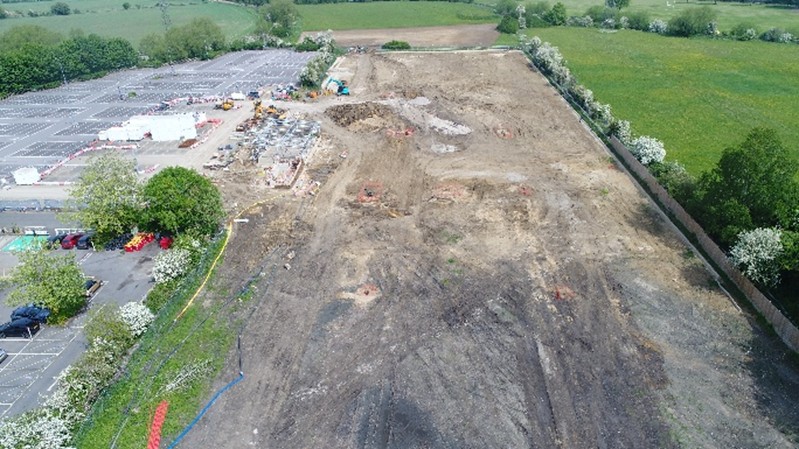
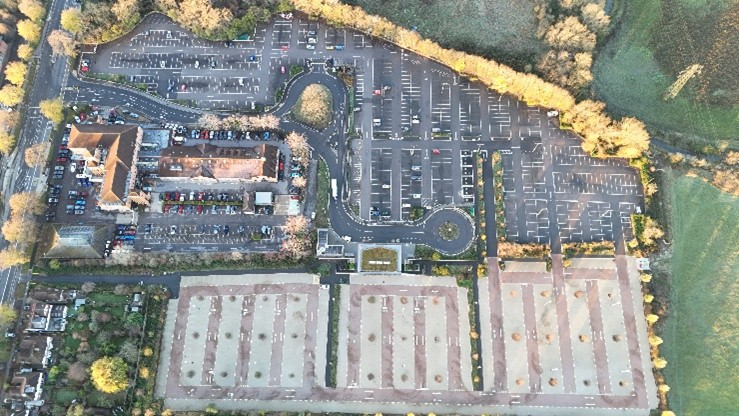
ODS Highways was commissioned to deliver major infrastructure improvements at Seacourt Park and Ride in Oxford. The works included extending the existing car park to provide approximately 600 additional spaces, new cycle parking, improved pedestrian access, and construction of a new bus terminal.
The scheme required significant drainage, electrical, and utility installations and was delivered on time and within budget despite challenging site conditions, through careful planning and effective project management.
Requirements
Key requirements included:
Construction of a new bus terminal, additional car and cycle parking, and improved pedestrian and cycle links to Botley Road.
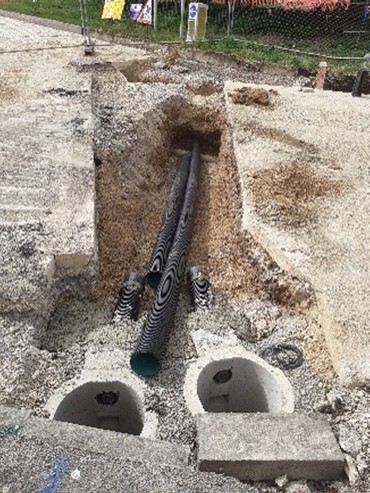
Design of a car park extension capable of holding flood water, directing it through carrier drains and manholes to a pumping station and newly constructed swale.
Installation of a new mains electricity cable, a new water main to serve the bus terminal, and 10 electric vehicle charging points, which both support sustainability and future proof the car park.
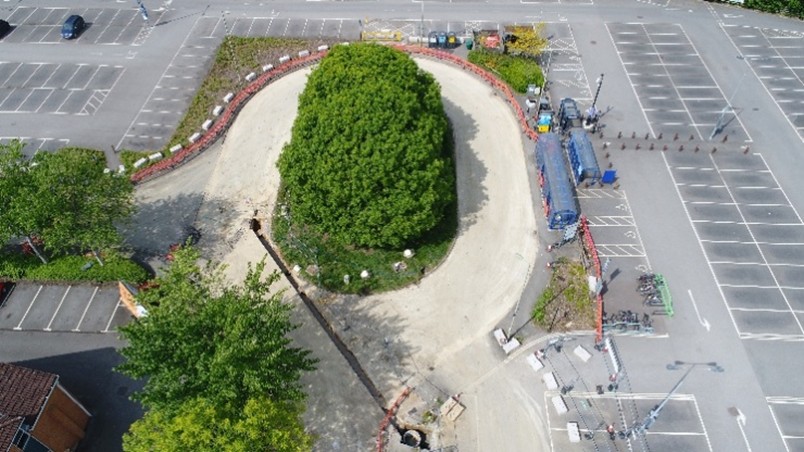
Delivery of Section 278 highway works, and redesign of the existing car park to accommodate a new bus turning circle.
Challenges
Flooding: The site lay within a flood plain, presenting a major risk to programme and electrical safety.
Environment: A large badger sett was discovered just outside of the site. Himalayan balsam, an invasive species, was also discovered which can spread very fast.
Ground Conditions: Soil testing confirmed contamination, introducing cost and disposal risks.
Planning: works had to be carefully planned to reduce impact on existing users of the park and ride and maintain access to the car garage next to the site.
The Pandemic: This was a live site when the pandemic started so required rapid operational adaptation.
Solutions
The river levels were constantly monitored through construction allowing proactive planning and minimising downtime . When the site flooded the team stood down works and waited for the water levels to recede.
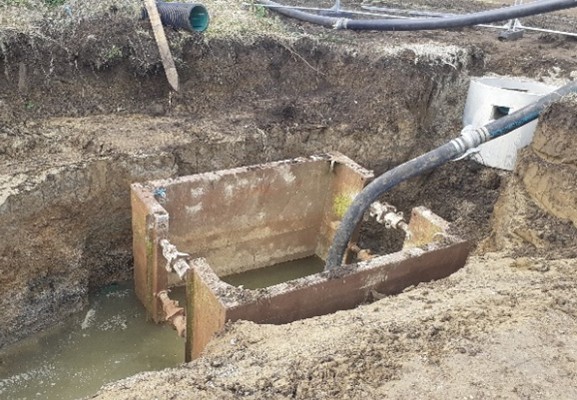
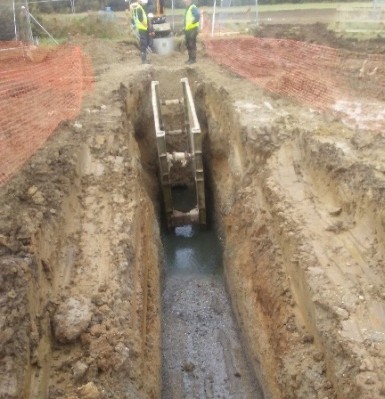
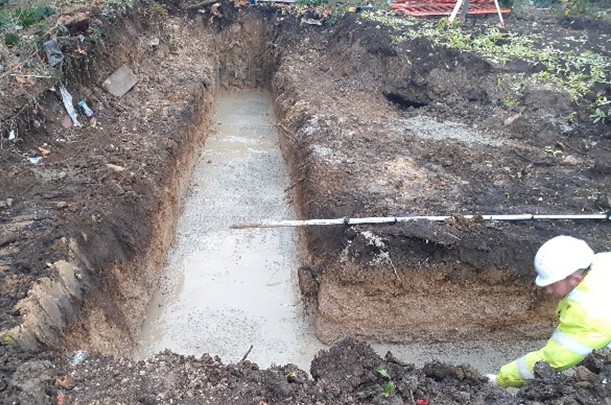
To keep the excavations dry, pumping operations were carried out 24 hours a day so work continued safely. Some of the deeper excavations required the installation of wellpoint dewatering systems to keep on top of the high level of ground water in the excavations.
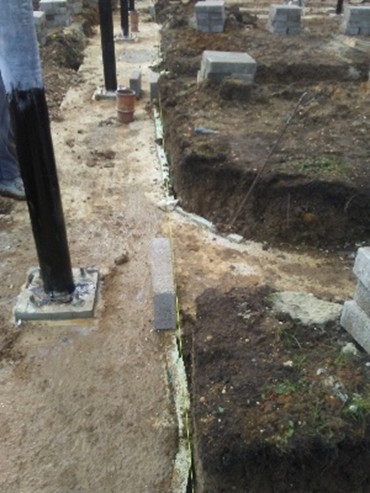
Connections to lamp columns were redesigned and waterproofed. In addition, the electric kiosks at both ends of the site were installed on concrete plinths above ground level.
We applied for a license from Natural England to close the sett prior to the works commencing, and had to install a 12ft fence buried 6ft in the ground to prevent tunnelling from animals.
Safe systems of work were introduced specifically to minimise the risk of Himalayan balsam spreading, including washing down all tools, plant, equipment and boots.
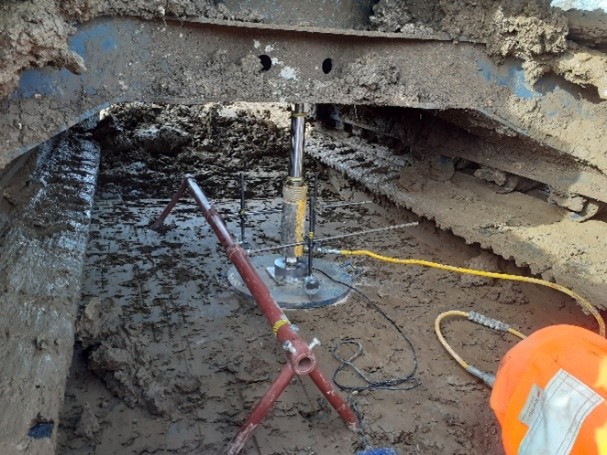
We carried out a ground stabilisation treatment so we could encapsulate the contaminated soil avoiding costly off-site disposal and significantly reducing project costs. We mixed a special formula of cement strengthening existing ground and allowing the construction depths to be reduced.
With strict control measures and limiting the introduction of newcomers to site we were able to keep site activities going during the pandemic.
Results
The project delivered approximately 600 new car parking spaces, a new bus terminal, improved access from Botley Road, and upgraded drainage and power infrastructure, significantly enhancing capacity and resilience at Seacourt Park and Ride.